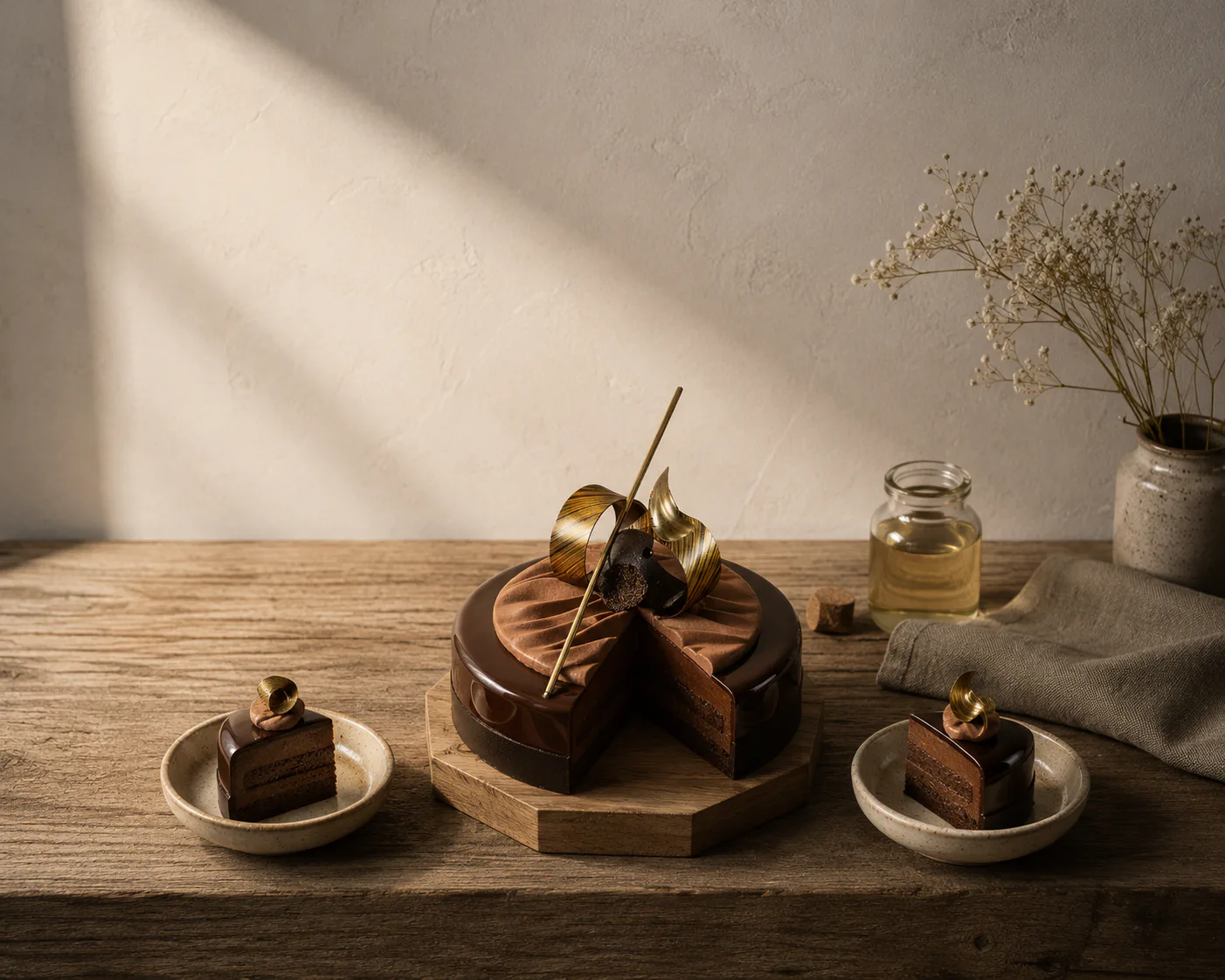
Made for the slow hour.
A maison de saison founded by Lana Sanders in Houston.
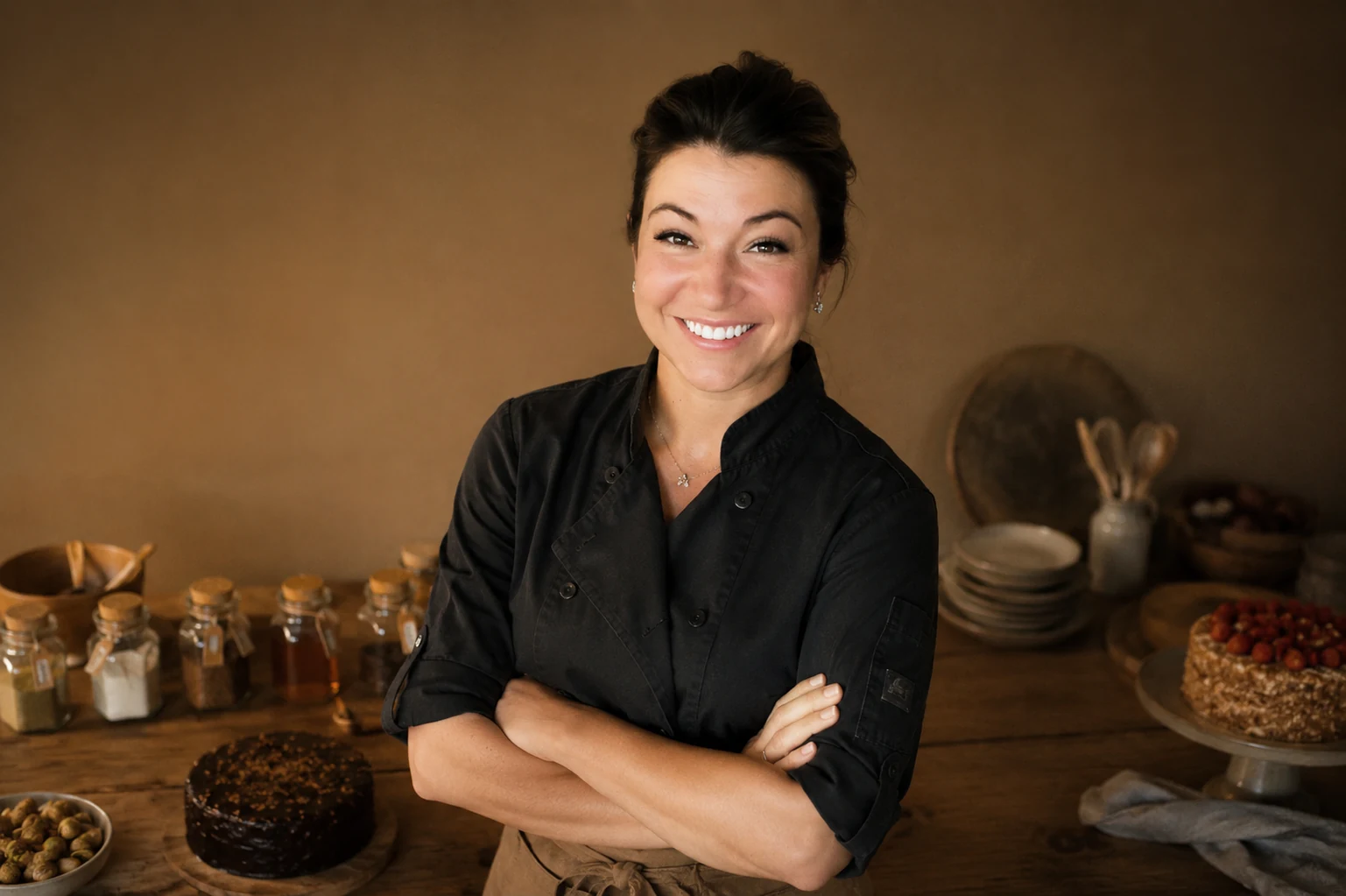
Lana Sanders is the founder and chef of The Vespre, a Maison de Saison in Houston. She has worked in pastry for seven years, with cakes at the center of her practice and pastries and chocolate work built around them. She trained independently — through the chefs she studied, the techniques she taught herself, and small batches repeated and corrected until each one answered. The Vespre, opening in September 2026, is the first public form of that work.
Her path to the kitchen began in dining rooms rather than schools. The desserts she encountered at one fine-dining restaurant — a single varietal of pistachio that rearranged a plate, a cream held in shape by structure rather than thickener — set the question that has shaped her work since: what one ingredient can do when nothing else competes with it. The seven years that followed were private — small batches, revisions, no commercial kitchen — and built the discipline the maison now carries.
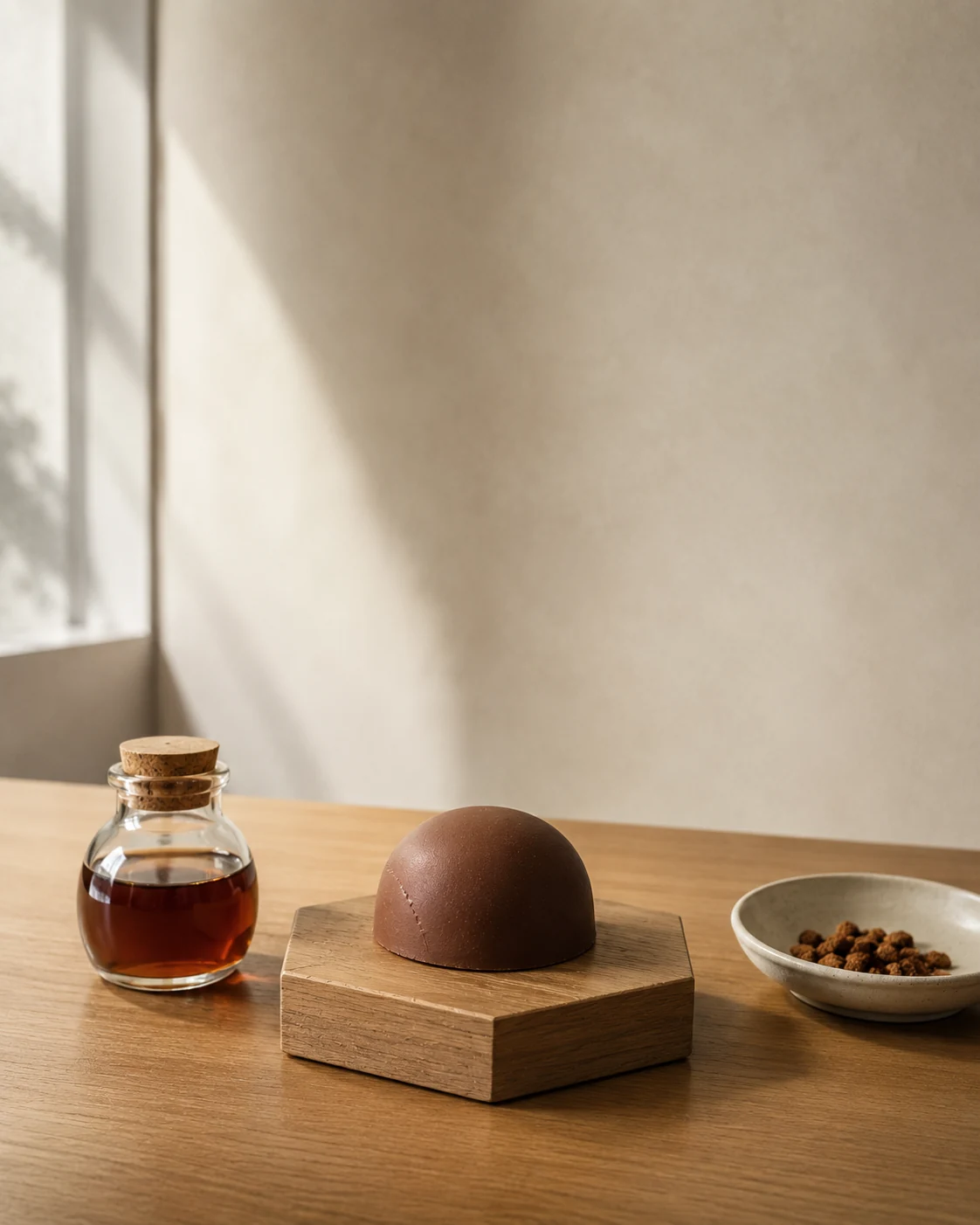
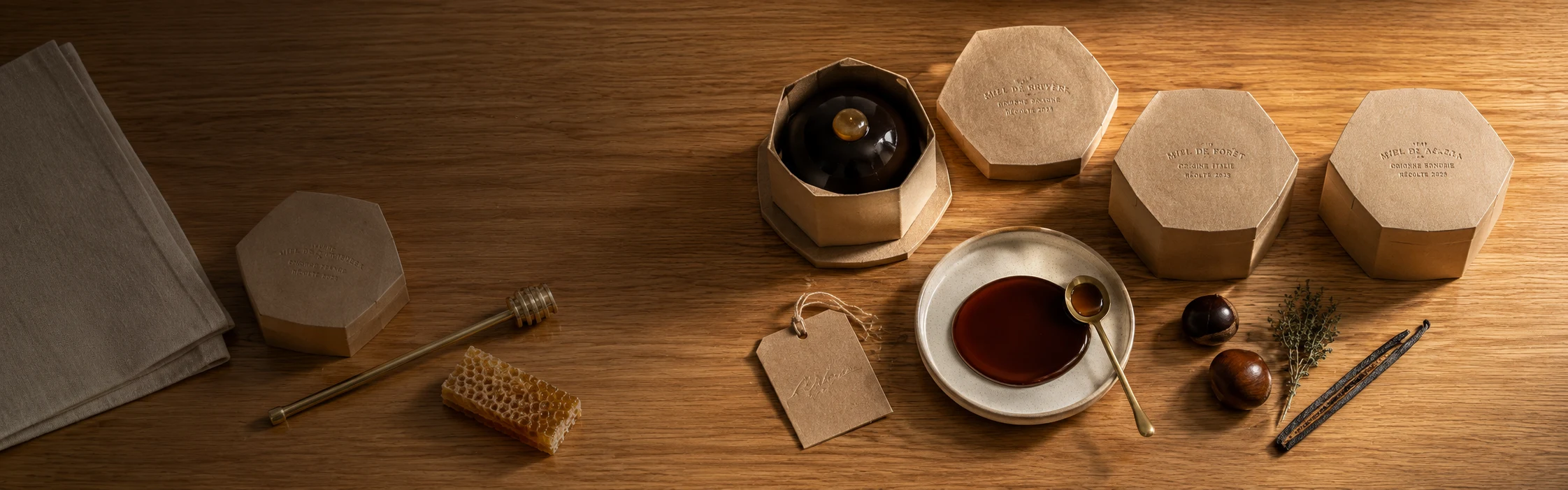
Le Rucher, the debut capsule, is a monograph on seven single-origin honeys: seven creations, one form per varietal, nothing added the honey would not ask for. The Vespre will release five capsules a year, each closed at the end of its season and never repeated.
The hour belongs to the maker.
The Vespre is a Maison de Saison. I chose those words carefully. Not bakery, not patisserie — both name a place where things are sold. Maison names a place where things are made, with the patience the season requires. Five capsules a year, none ever repeated; each closed when its season ends. The first is Le Rucher: seven creations, seven single-origin honeys. The honey decides the form. Nothing is added that the honey would not ask for.
Taste came first. Seven years ago I worked at a restaurant whose pastry station produced things I did not know food could do — the way a cream held its shape until it broke, and not before; the way a single varietal of pistachio could rearrange a plate. I had no school. I studied the chefs I admired — through their books, their classes, the work they had recorded — and through my own hands: small batches, corrected, repeated, until the work began to answer. It is still the same method.
That method became the discipline of the maison. Each capsule begins with one ingredient and asks what it can do alone. For Le Rucher, that ingredient is honey — seven varietals, seven creations, no second voice on the plate. We do not stack contrasts to rescue a weak center; we choose a center strong enough to hold the work. Slow methods — infusions, long ferments, careful temperatures — because time does work that speed cannot. Small batches because the small batch is the only one that can be watched. What should be made by hand is not given to a machine. The hexagon, the kraft, the name embossed without ink — these are the first sentence of the work.
Vespre is the old word for evening, for the hour the world quiets. That is the hour the work is made for. What you receive from us is one thing made carefully, in its right season, that will not return. The capsule closes; the form returns to the archive; the next question begins. The hour belongs to the maker — and for the weeks the capsule is open, it belongs to you as well.